中枢性疼痛・痺れや痛みを減らす方法
How to reduce central pain, numbness and pain
Central Pain
Overview
Central pain becomes intractable
Decrease the quality of daily life. It also causes mental symptoms such as anxiety and depression. In addition, it may be an inhibitor of rehabilitation.
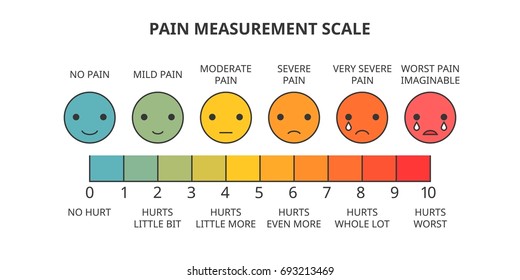
There were 26 people with intractable central pain. Assisting Identification by the step-by-step sensory input (hereinafter AISSI). Central pain has been reduced. 7 7 points reduced to 3 or 5 points with Face Scale • • Here are the methods and ideas here.
Method
In the most numb and painful areas of the subject
1. Touch very lightly. Gently increase pressure from a light touch
2. Increase the pressure gradually for about 20 to 30 seconds and apply pressure until you feel pain
3. Use strong pressure to induce more pain
4. Reduce pressure from 20 to 30 seconds to return from pain to light tactile sensation
Do 5 to 7 sets as one set. Also do 2 to 3 places around the painful area
Points to note
Increase pressure until you feel pain. However, the pressure at which the subject feels pain is different.Varies by subject. Also, the same subject has different pain pressures for the first time, the second time, the third time, and the fourth time.In most cases, pain is felt with less pressure after the beginning. The practitioner needs to increase the pressure while watching the expression of the target person.
It would be best if you could stop applying pressure just before the pain.It is necessary to always look at the expression of the target person and get involved while gaining trust. If the subject feels too uncomfortable, it may need to be loosened or interrupted.
Grounds
The sensory disturbances of the 26 subjects varied from mild to severe. However, everyone was able to feel pain due to the change in sensation caused by AISSI.
The subject’s central nervous system is limited in the amount and speed of information processing due to disability.
Slow sensational change and repetition by AISSI are transmitted to the center as reliable bottom-up information
Central pain is not a real sensation.
It is not a bottom-up plan.
It’s not just a feeling of going up from the bottom. It is not a sense of going from the periphery to the center.
Central pain is a perceived sensation.
Perception is the sensation that is manipulated by the central nervous system.
It feels like going down from the top down type.
With the “certain” sensory information from the periphery by AISSI.
Perception and cognitive processes of central pain can be changed.
Reliable≒ Peripheral sensation Large changes in sensation Slowly changing sensation Continuously predictable
AISSI repeats gradual and large changes in sensation.For subjects whose information processing volume and speed are limited.Encourage reactions of expectation, exploration and acceptance.
Sensory
Sensory information tells you something, and also helps to make things uncertain.This is the process of identification and identification.
The feeling you feel has a process.You can feel a variety of information processing.The feeling is very limited.Conversely, there are many senses that are used without being conscious (filtered)
The sensations are expected in advance.Cooperate with experience and memory.With emotional response
For example, when the hand is held, the SAⅡ type on the back of the hand and the back of the finger detects the bending of the finger and contributes to the kinesthetic sensation. Not only the sensation from the palm, but also a variety of sensory information such as the sensation from the muscles gives a sense of reality when grasped. In addition, if you hold $ 10,000, it gives you hope and joy.
Information on those who have helped
Average age 62.5 years (43-81 years).Eight inpatients on average 77 days (29-137 days) from onset.Two outpatients 8 years and 4 months from onset, 1 year and 3 months.Thalamic hemorrhage 13 people, putaminal hemorrhage 4 people, brain stem bleeding and 9 others
She complained of persistent pain and numbness after the onset.Some subjects were prescribed analgesics and antidepressants.There was little improvement such as pain or numbness
| Faces Pain Scale (以下FPC) | ||
| Collaborators | FPC evaluation Before AISSI | FPC evaluation After AISSI |
| A | 6 | 4 |
| B | 8 | 6 |
| C | 6 | 4 |
| D | 10 | 4 |
| E | 8 | 4 |
| F | 4 | 2 |
| G | 10 | 4 |
| H | 6 | 4 |
| I | 4 | 2 |
| J | 6 | 4 |
| K | 8 | 6 |
| L | 8 | 6 |
| M | 2 | 0 |
| N | 6 | 2 |
| O | 8 | 4 |
| P | 8 | 0 |
| Q | 8 | 6 |
| R | 10 | 2 |
| S | 6 | 4 |
| T | 6 | 4 |
| U | 8 | 4 |
| V | 4 | 0 |
| W | 8 | 2 |
| X | 10 | 2 |
| Y | 6 | 4 |
| Z | 8 | 6 |
| 平均 | 7.0 | 3.5 |
I sincerely hope that those suffering from central pain will feel a little easier and have a better life again
Contact information
伊林 克法 Katsunori Ibayashi
mail address zud01117@nifty.com
 中枢性疼痛・痺れや痛みを減らす方法